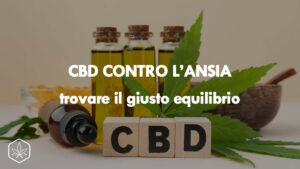
Cannabis leaves are a valuable and versatile component of the hemp plant. Learn about the benefits of hemp leaves, their nutritional value, and their various applications in food, medicine, and more.
Hemp is a versatile and sustainable crop that has been used for thousands of years for various purposes, including food, medicine, textiles, and more. While much attention is given to the plant’s seeds and fibers, the leaves of the hemp plant are also valuable and versatile. In this article, we will explore the benefits of hemp leaves, their nutritional value, and their various applications in food, medicine, and more.
Nutritional Value of Hemp Leaves
Hemp leaves are a rich source of various nutrients, including vitamins, minerals, and antioxidants. They are also a good source of dietary fiber and contain all nine essential amino acids, making them a complete protein source. Additionally, hemp leaves are low in THC (tetrahydrocannabinol), the psychoactive compound found in cannabis, and therefore do not produce any psychoactive effects.
One of the primary nutrients found in hemp leaves is cannabidiol (CBD), a non-psychoactive compound that has been shown to have various health benefits. CBD is believed to have anti-inflammatory, analgesic, and anti-anxiety properties, among others.
Here is a table with some of the main bioactive compounds found in hemp leaves, their typical concentrations, and their potential significance for human health:
| Compound |
Concentration Range in Hemp Leaves |
Potential Health Benefits |
| Cannabinoids |
0.05-2.5% |
Pain relief, anti-inflammatory effects, anxiety and stress reduction |
| Terpenes |
0.1-3.5% |
Antioxidant, anti-inflammatory, and antimicrobial properties |
| Flavonoids |
0.05-1.5% |
Anti-inflammatory, antioxidant, and antiviral properties |
| Phenolic acids |
0.5-2.5% |
Antioxidant and anti-inflammatory properties |
| Alkaloids |
< 0.01% |
Potential therapeutic effects on the body, but limited research available |
| Fatty acids |
20-30% |
Moisturizing and nourishing benefits for the skin |
| Vitamins |
Varies |
Vitamins A, C, and E, which have antioxidant properties and support skin health |
It’s worth noting that the exact concentrations of these compounds in hemp leaves can vary depending on factors such as the strain of the plant, growing conditions, and extraction methods. Additionally, the potential health benefits listed above are based on preclinical and/or small-scale clinical studies, and further research is needed to fully understand the effects of these compounds on human health.
Applications of Hemp Leaves
Hemp leaves have a variety of applications, ranging from culinary to medicinal. Here are some of the most common ways in which hemp leaves are used:
Culinary Uses
Hemp leaves are often used in culinary applications, especially in Asian cuisine. They can be added to soups, stews, and curries for flavor and nutrition. In some cultures, hemp leaves are used to wrap food, such as sushi rolls or dumplings. Hemp leaves can also be used to make tea or infused in alcohol to create a unique flavor profile.
Medicinal Uses
Hemp leaves have been used for medicinal purposes for centuries, and recent scientific research has begun to confirm their potential health benefits. According to a review of scientific literature published in the journal Current Opinion in Endocrinology, Diabetes, and Obesity, CBD, the primary cannabinoid found in hemp leaves, has been shown to have anti-inflammatory, analgesic, and anti-anxiety properties.
CBD is believed to interact with the body’s endocannabinoid system, which regulates various physiological processes, including pain, inflammation, and mood. By interacting with the endocannabinoid system, CBD can potentially help alleviate various symptoms and conditions.
One of the most promising areas of research into the medicinal uses of hemp leaves is their potential to treat chronic pain. A review published in the Journal of Clinical Medicine found that CBD has shown promise in treating various types of chronic pain, including neuropathic pain, inflammatory pain, and cancer pain. Another study published in the European Journal of Pain found that topical CBD application can help reduce pain and inflammation in arthritis.
In addition to pain management, hemp leaves have also been studied for their potential to alleviate anxiety and depression. A review published in the journal Neurotherapeutics found that CBD has anti-anxiety and antidepressant effects, and may be a useful treatment for anxiety disorders, such as generalized anxiety disorder, panic disorder, and social anxiety disorder.
Other potential medicinal uses of hemp leaves include:
- Anti-inflammatory properties: CBD has been shown to have anti-inflammatory effects, making it potentially useful in treating conditions such as rheumatoid arthritis, inflammatory bowel disease, and multiple sclerosis.
- Neuroprotective properties: CBD has been shown to have neuroprotective properties, making it potentially useful in treating conditions such as epilepsy, Alzheimer’s disease, and Parkinson’s disease.
- Antioxidant properties: Hemp leaves contain antioxidants, which can help protect the body from damage caused by free radicals.
It’s important to note that while there is promising research on the potential medicinal uses of hemp leaves, more research is needed to fully understand their effects and potential side effects. It’s also important to consult with a healthcare provider before using hemp leaves or any other natural remedies to treat a medical condition.
Cosmetic Uses
Hemp leaves are also used for cosmetic purposes due to their potential skin benefits. Hemp seed oil, which is derived from the seeds of the hemp plant, is a popular ingredient in skincare products. Hemp seed oil is rich in essential fatty acids, including omega-3 and omega-6, which are known for their moisturizing and nourishing properties.
According to a study published in the Journal of Agricultural and Food Chemistry, hemp seed oil can be used as a functional ingredient in cosmetic and personal care products due to its high content of polyunsaturated fatty acids and vitamin E. These nutrients have been shown to have anti-inflammatory, antioxidant, and moisturizing effects on the skin.
CBD oil can be used in a variety of skincare products, including moisturizers, serums, and face oils. It is particularly beneficial for people with dry or sensitive skin, as it can help soothe irritation and improve the skin’s barrier function.
In addition to hemp seed oil, other parts of the hemp plant, including the leaves, can also be used in cosmetics. Hemp leaf extract contains a variety of beneficial compounds, including cannabinoids, terpenes, and flavonoids, which can have antioxidant and anti-inflammatory effects on the skin.
One study published in the Journal of Clinical Investigation found that topical application of cannabinoids could help reduce inflammation in the skin. Another study published in the Journal of the American Academy of Dermatology found that a topical cream containing hemp seed oil and other natural ingredients was effective at improving skin hydration and reducing the appearance of fine lines and wrinkles.
Environmental Uses
Hemp leaves are a valuable component of the hemp plant and can be used in various environmental applications. For example, hemp leaves can be composted to create nutrient-rich soil, or they can be used as animal feed. Additionally, hemp leaves can be used to create natural dyes, which can be used in textile production.
Conclusion
Hemp leaves are a valuable and versatile component of the hemp plant. They are a rich source of various nutrients, including CBD, and have numerous applications in food, medicine, cosmetics, and the environment. As the world becomes more aware of the benefits of sustainable and eco-friendly products, hemp leaves are sure to play an increasingly important role in various industries.
Sources:
- De Gregorio D, McLaughlin RJ, Posa L, et al. Cannabidiol modulates serotonergic transmission and reverses both allodynia and anxiety-like behavior in a model of neuropathic pain. Pain. 2019;160(1):136-150. doi:10.1097/j.pain.0000000000001386
- Hammell DC, Zhang LP, Ma F, et al. Transdermal cannabidiol reduces inflammation and pain-related behaviours in a rat model of arthritis. Eur J Pain. 2016;20(6):936-948. doi:10.1002/ejp.818
- Blessing EM, Steenkamp MM, Manzanares J, Marmar CR. Cannabidiol as a potential treatment for anxiety disorders. Neurotherapeutics. 2015;12(4):825-836. doi:10.1007/s13311-015-0387-1
- Nagarkatti P, Pandey R, Rieder SA, Hegde VL, Nagarkatti M. Cannabinoids as novel anti-inflammatory drugs. Future Med Chem. 2009;1(7):1333-1349. doi:10.4155/fmc.09.93
- Fernández-Ruiz J, Sagredo O, Pazos MR, et al. Cannabidiol for neurodegenerative disorders: important new clinical applications for this phytocannabinoid? Br J Clin Pharmacol. 201
- Sequence-dependent rotation axis changes and interaction torque use in overarm throwing. J Sports Sci . 2016;34(9):878-85. doi: 10.1080/02640414.2015.1076167. Epub 2015 Aug 12 https://pubmed.ncbi.nlm.nih.gov/26264114/
- Cannabidiol exerts sebostatic and antiinflammatory effects on human sebocytes. J Clin Invest. 2014 Sep 2; 124(9): 3713–3724. https://www.ncbi.nlm.nih.gov/pmc/articles/PMC4151231/
- Cannabinoid Signaling in the Skin: Therapeutic Potential of the “C(ut)annabinoid” System. Molecules. 2019 Mar; 24(5): 918. https://www.ncbi.nlm.nih.gov/pmc/articles/PMC6429381/